Tuscany does not need another predictable countryside hotel. Chapter Chianti is interesting because it appears to understand that.
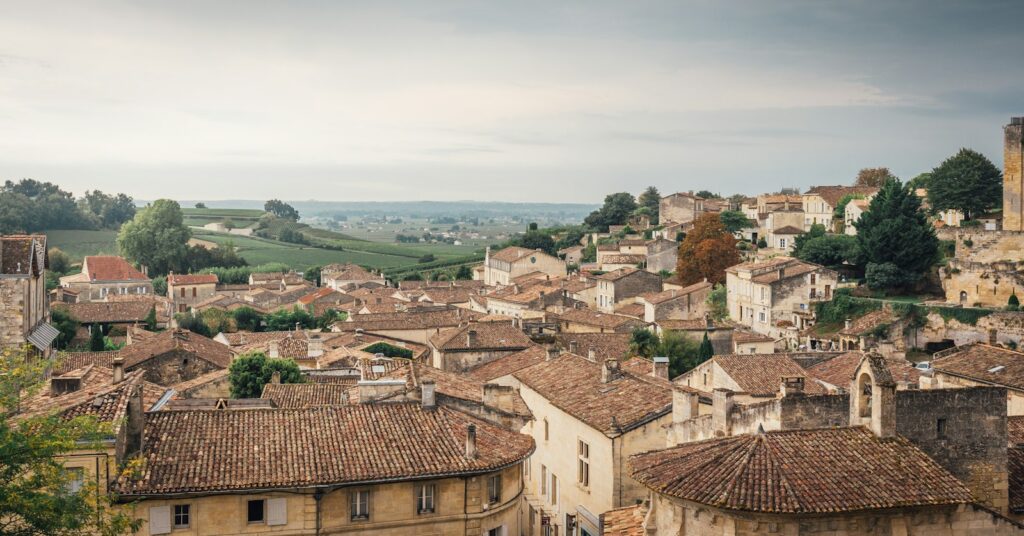
Set in a restored 16th-century village, the property is being positioned as a design-led hotel that mixes Tuscan heritage with contemporary energy, food, art and community.
Why Chianti needs a new language
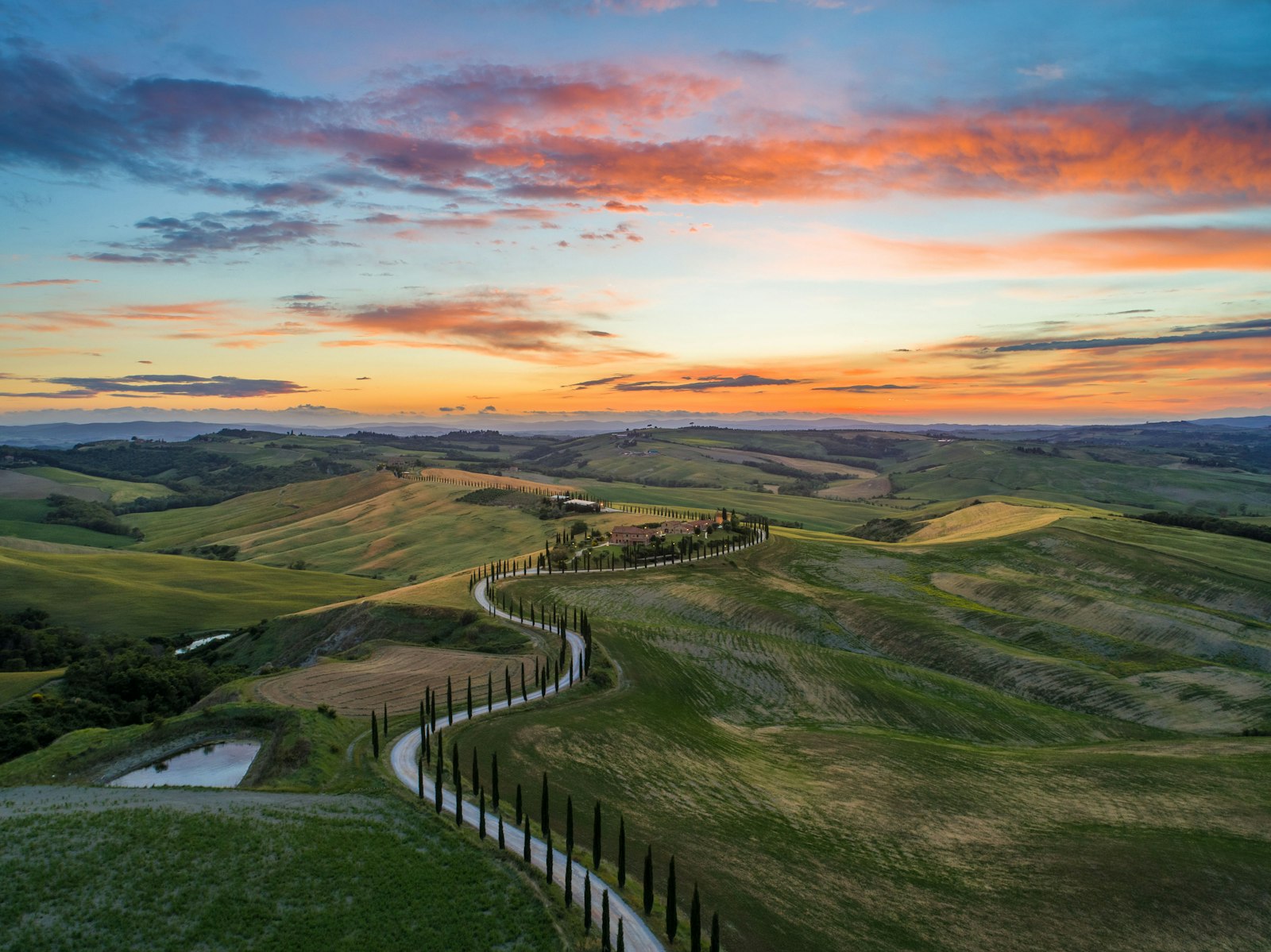
Chianti is one of the most recognisable names in Italian travel. That is both a gift and a problem. The visual language is familiar: cypress trees, wine, stone, terracotta, hills, rustic elegance.
The challenge for new hotels is to honour that world without becoming a postcard. Chapter Chianti’s positioning suggests a more current approach: historic bones, contemporary interiors, dining, wellness and cultural programming.
The village-hotel model
Village-style hospitality is becoming increasingly attractive in Europe. It gives guests the feeling of inhabiting a place rather than simply staying in a building.
In Tuscany, that model makes particular sense. Travellers want wine, walking, food, local artisans, privacy, views and atmosphere. A restored village can provide those elements more naturally than a conventional resort.
Why it matters
Tuscany remains one of the strongest luxury travel markets in the world, but it risks repetition. The most successful new properties will be those that move beyond rustic chic into more specific identities.
Chapter Chianti could be part of that next wave: Tuscany with design, not just nostalgia.
Luxury.it perspective
Watch this opening for travellers who want Chianti but do not want it to feel frozen in the 1990s. The best new Tuscan hotels will be those that make heritage feel alive.
Related guides
Luxury Villas in Tuscany · Luxury Hotels in Tuscany · Destinations · The List
Looking for a Tuscan hotel, villa or wine-country itinerary? Request access through Luxury.it Concierge.