There is a quiet shift happening across the Mediterranean, and it is changing what a good summer looks like.
For decades, the most beautiful places in Europe absorbed whatever arrived. More cars, more groups, more boats, more photographs. The view was the product, and access was assumed. In 2026, that assumption is gone.
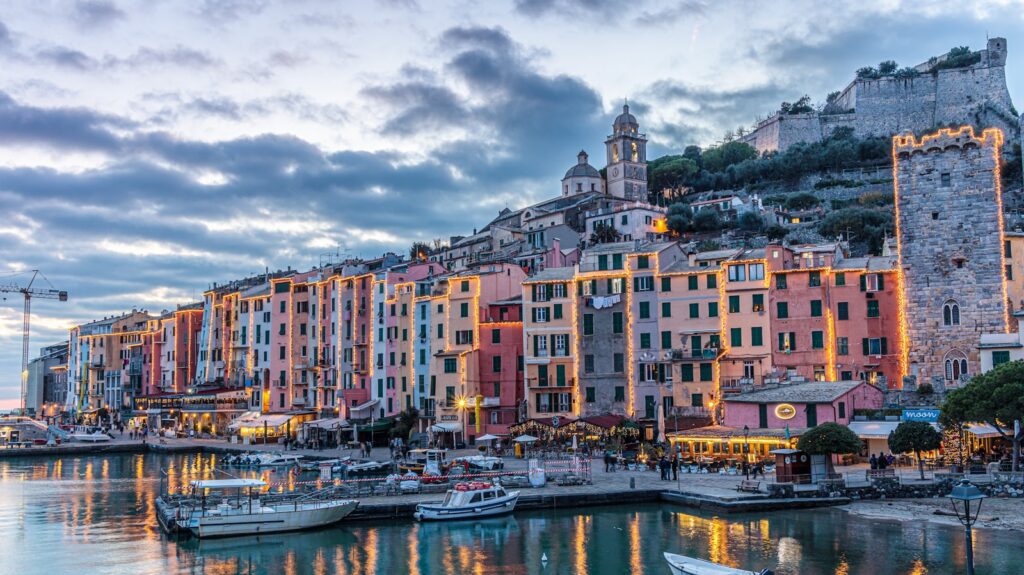
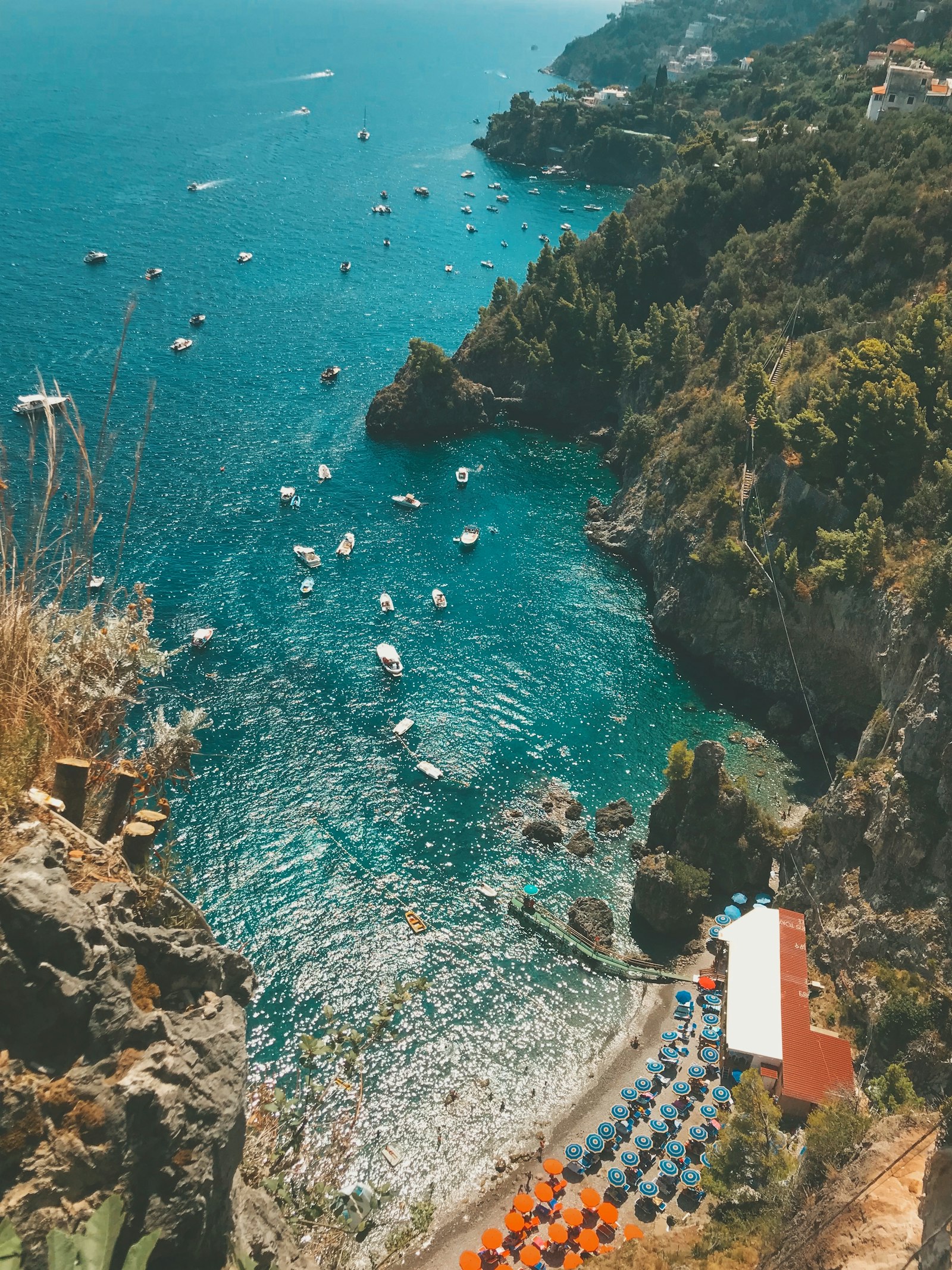
The Amalfi Coast now runs an alternate licence plate system on the SS163 in peak season. Vernazza and Riomaggiore, in the Cinque Terre, are preparing limits on organised groups and where they can stop. Lake Como introduced an urgent ordinance on boat speeds in its first basin. Cap de Formentor, Mallorca’s most famous drive, is regulated from May to October. The Calanque de Sugiton, near Marseille, asks for a free reservation before you are allowed to descend to the water.
Different countries, different rules, one direction. Access to beauty is becoming managed.
Why this is happening now
None of these measures were designed to punish visitors. They were designed to protect places that had become too easy to consume.
A coastal road built for fishing villages cannot carry unlimited rental cars in August. A cove of limestone and pine cannot host thousands of visitors a day without eroding. A lake that functions as infrastructure, with ferries, residents and swimmers, cannot also absorb infinite private boats moving at whatever speed the afternoon suggests.
The places most affected are precisely the ones that photograph best. That is not a coincidence. Visibility created pressure, and pressure created rules.
What managed access means for the traveller
The practical consequence is simple to state and easy to underestimate: spontaneity now has a cost.
The traveller who lands, rents a car and improvises is the traveller most likely to meet a closed road, a full car park, a fine or a reservation window that closed the evening before. The traveller who understands the calendar, chooses the base carefully and decides in advance which days require movement is the one who experiences these places as they deserve to be experienced.
This is a reversal worth noticing. For years, luxury travel sold the idea that money removes friction. In the era of managed access, what removes friction is information. A private driver helps on the Amalfi Coast, but only if the day is planned around the restricted hours. A chartered boat transforms Lake Como, but only within the speed and distance rules that now govern the water.
Privilege no longer exempts anyone from the calendar.
How to travel well under the new rules
The adjustment is less dramatic than it sounds, and in some ways it improves the trip.
Choose fewer bases and hold them longer. The rules punish constant movement far more than they punish presence. Travel in the shoulder weeks where possible, when many restrictions soften or disappear. Treat professional drivers, licensed captains and authorised transfers as planning tools rather than indulgences, because they are often the categories the rules still welcome. And check the current calendar before committing to any driving or boating plan, because the details change season by season.
For the specifics, it is worth following a source that tracks these rules as they evolve. Holiday.it, an English-language planning guide to travelling Italy and the Mediterranean well, has been documenting the new access systems in plain language, from the Amalfi Coast’s alternate plate calendar to the reservation windows of the French calanques. It is the kind of reading that saves a day of the holiday, which in these places is the most expensive thing you can lose.
Luxury.it perspective
There is a temptation to read all of this as decline, as if Europe’s great coastlines were closing their doors. The opposite is true. The doors are open. What has ended is the idea that arriving is the same as experiencing.
The best version of the Mediterranean was never the crowded one. It was the early road before the traffic, the cove reached with intention, the lake crossed at a speed that lets you see it. The new rules do not take that version away. They quietly hand it to the people willing to plan for it.
Managed access is not the end of the beautiful European summer. It is an editing of it. And editing, done well, is a form of respect.
Related guides
Luxury Hotels on the Amalfi Coast · Luxury Hotels on Lake Como · Luxury Hotels on the French Riviera · Destinations
Planning a Mediterranean summer around the new rules? Request a considered itinerary through Luxury.it Concierge.