Nove opens its kilns, its courtyards and its factory gates from 11 to 13 September.
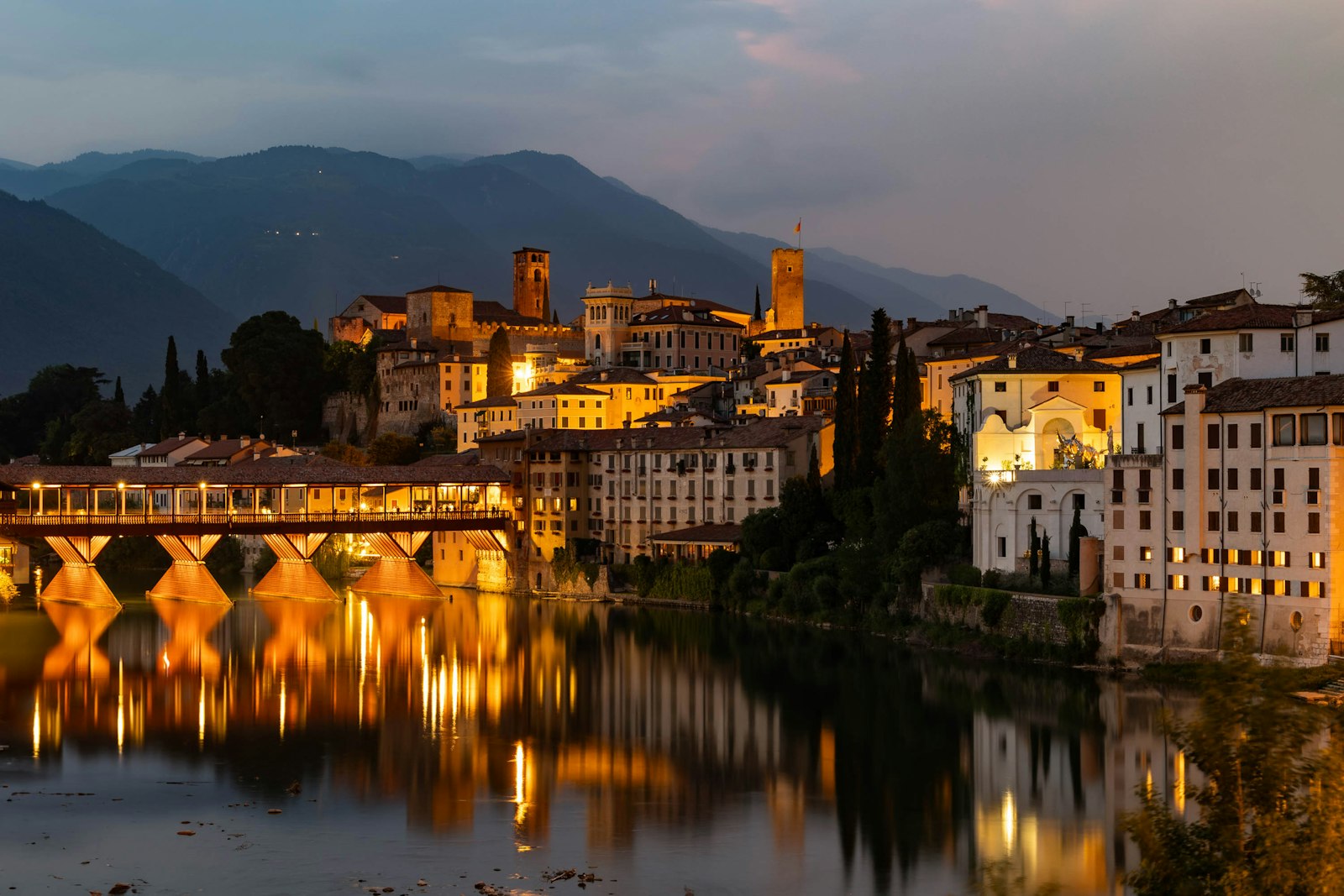
The town sits on the Brenta at the western edge of the province of Vicenza, and it has been firing ceramics since the early 1700s. Once a year it lets everyone in. The 29th Festa della Ceramica di Nove e Portoni Aperti runs across the second weekend of September, and the organisers count 29 locations open to the public: museums, historic buildings, private courtyards, and factories that are working the rest of the year.
Portoni Aperti means open gates. That is the half of the name worth travelling for.
What opens, and when
The Comune di Nove and the Associazione Nove Terra di Ceramica run the weekend together. Their published figures for 2026: 105 exhibitors, more than 120 artists and artisans, and over 52 exhibitions, events and workshops. Mayor Rebellato is quoted in the festival’s own press material saying the event is returning to the scale of its best years.
Gates open at 10am on Saturday 12 and Sunday 13. Sunday closes at 8pm.
Friday 11 is an evening rather than a day. The official opening is at 6pm in Piazzetta del Museo and the programme runs through to a sound performance at 10.30pm.
There is a Thursday for anyone arriving early. On 10 September at 8.30pm the garden of Ceramiche Barettoni hosts a talk called Pompeo Pianezzola 100+1, presented by Nadir Stringa.
The oldest name in town
Barettoni is on Via Molini, and it is the reason serious collectors come to Nove at all. The company describes itself as the oldest ceramics works in Italy in continuous operation since 1727, and traces its earliest document to a Venetian Senate act of 3 September 1685. Giovan Battista Antonibon founded the dynasty roughly forty years after that. The Republic granted the manufactory privileges in 1732. In 1907 the lawyer Lodovico Barettoni bought the works, and his family still owns and runs it.
Three centuries in one building is a large claim, and it is worth saying who makes it: the company, and the town museum, which repeats the 1727 date on its own pages. What nobody disputes is that the kilns are still lit.
Barettoni hosts one of the weekend’s exhibitions, Quando i Fiori Impararono a Non Appassire, with guided visits inside the works.
Other Nove names in the 2026 programme: Stylnove, Botteganove, Lineasette, VBC, Ceramiche Pigato, and Ceramica Vicentina over at Pozzoleone. Palazzo Baccin, one of the main venues, is the former Zanolli-Sebelin-Zarpellon manufactory. Not every dynasty made it.
Things you can watch being made
Wheel demonstrations run in Piazza De Fabris, and anyone can sit down at one. The Confraternita dee Bae, a local association marking its twentieth year on the Sunday, decorates in public alongside them.
The firings are the real draw. On Saturday between 10pm and 11pm the Brolo di Palazzo Baccin runs experimental wood-fired kilns in the dark, paper kilns among them. At Stylnove CantiereCeramico, Aldo Gnesotto and Lorenzo Zanovello work a live sculpture performance both days from 10.30am to 6pm.
Children have their own table at the Museo Civico, 10am to midday and 3pm to 6pm on Saturday and Sunday.
There is a charity piece too. It is called 999 ciotole, Il Cuore di Nove: nine hundred and ninety-nine numbered bowls, thrown and decorated by hand, sold from a stand in Piazza De Fabris in support of local transport services.
Book the guided visits by Friday lunchtime
The tours are free and they are not walk-in. Reservations close at 1pm on 11 September, which catches out most people who decide to come on the Saturday morning.
The Museo Civico runs tours on Saturday at 5.30pm and Sunday at 11am and 5.30pm. Terrae Novae, the town’s open-air ceramic park, is walked on Sunday at 10am. A kintsugi seminar and workshop, also Sunday, also at the museum, needs the same booking.
The museum earns a visit in any week. It opened in 1995 in a former royal art school on Piazza De Fabris, and its three floors run from the 1700s to now, including the prizewinning pieces from the international ceramics competitions held here between 1949 and 1975.
The festival does not publish an admission price on its own channels, and it does not say entry is free either. Only the guided visits and the children’s workshops are described that way, with booking. Ask at the infopoint on arrival.
Why the town and not just the fair
Italian ceramics are protected by name. Law 188 of 9 July 1990 created the marks for ceramica artistica e tradizionale and ceramica di qualita and delimited the zones entitled to use them. Nove and Bassano del Grappa are both on that list. Nove also belongs to the Associazione Italiana Citta della Ceramica, along with Bassano and Este.
Fewer than five thousand people live here. The proportion of them who can throw a pot is the point.
Other Italian craft towns hold a fair. Nove hands you the clay.
The exhibitions worth planning around
Pietro Weber. L’anima, la figura, il simbolo runs at the Sala De Fabris from 11 September to 31 October, so it outlasts the crowds by six weeks.
At the Museo Civico: Mai visti 5. Farfalle veneziane del Settecento, and CON_TRADIZIONI with the Fondazione Roi scholarship holders, both open until 6 January 2027. Andrea Parini. Ritorno is there as well.
Elsewhere across the town: Domenico Poloniato in the church of Santi Pietro e Paolo; Tera Promosa by Denis Imberti and Stefano Tasca at the Padiglione della Ceramica until 11 October; Carlo Zauli at the Antico Mulino Pestasassi Baccin-Cecchetto; Alessandro Cipriano at Stylnove; and Luca D’Amato’s CoffeeBreak Museum at Palazzo Baccin until 23 October.
Francesca Pirozzi launches her book on contemporary Italian art ceramics on Saturday at 6.30pm.
Getting there
Nove borders Bassano del Grappa to the west, and Bassano has the station. Direct trains run from Vicenza via Cittadella, and the line also serves Venezia Santa Lucia, Padova and Trento. There is no station at Nove.
Bicycles are free from the festival infopoint all weekend. There is a visitNove augmented-reality web app as well, for anyone who would rather the buildings did the talking.
Luxury.it perspective
Most craft weekends put the work behind glass and call it access. Nove opens the gate of the building where the work is done, and lets you stand in the heat.
Come on the Friday evening for the town before the coaches arrive, and stay for Saturday night, when a wood kiln is opened at eleven in the dark and half the piazza walks over to look. That hour is the one people describe afterwards, and it is not printed on anything.
Book the guided visits before Friday lunchtime. Miss that deadline and you spend the weekend outside the buildings you came for.
Related guides
For the rest of the Veneto’s craft autumn, Homo Faber in Venice is the grander cousin and Vicenzaoro covers the goldsmiths an hour south. The wider Destinations section has more of the region.
For hotels around Bassano del Grappa, drivers and private visits, contact Luxury.it Concierge.