Resortwear used to mean clothes packed for somewhere else.
Now it often means the somewhere else itself.
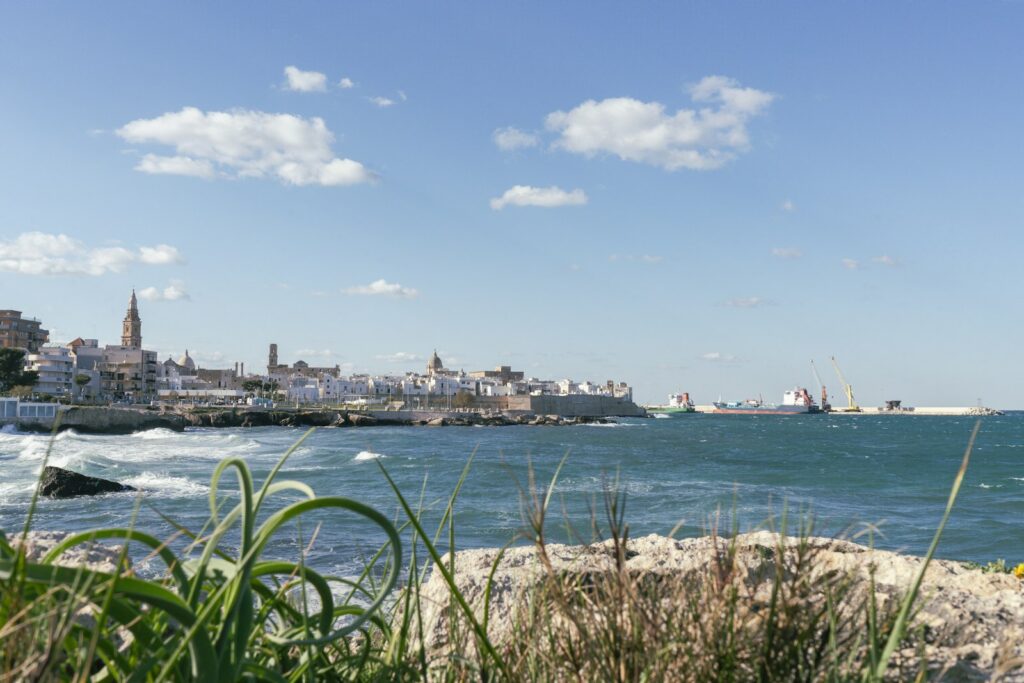
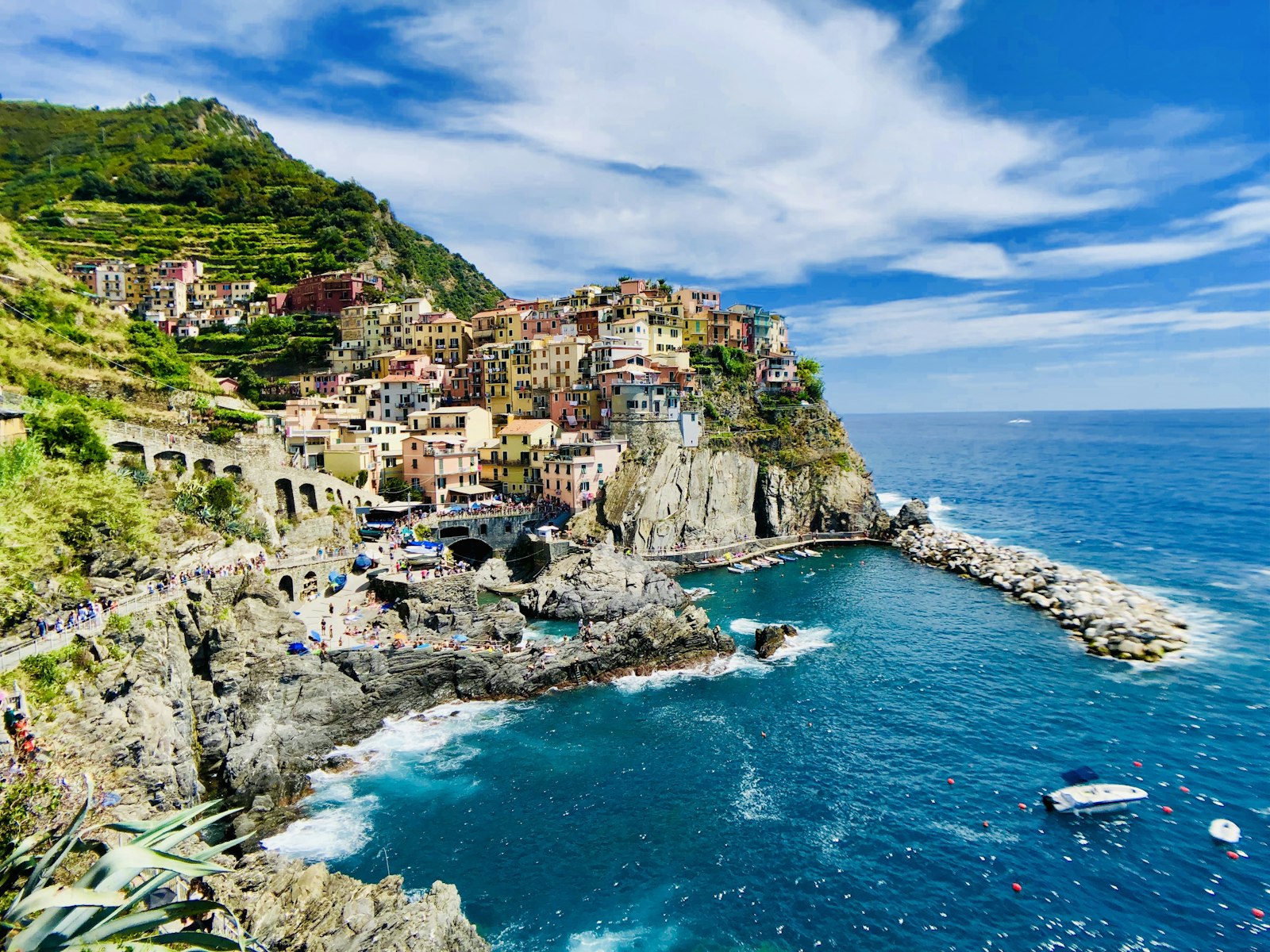
Luxury fashion has realised that summer is not only a season. It is a geography: Capri, Portofino, Forte dei Marmi, Saint-Tropez, Ibiza, Mykonos, Antibes, Monaco, Formentera, Costa Smeralda. The client is no longer waiting inside a boutique. She is at the hotel, the beach club, the restaurant, the yacht, the villa and the airport lounge.
So the brands follow her.
The boutique has moved outdoors
A resort capsule without a destination now feels incomplete.
The stronger strategy is a pop-up, beach takeover, hotel partnership or limited-edition product tied to place. A bag is no longer only a bag. It becomes “the bag from Forte”. A towel becomes a sign that you were at the right beach club. A dress becomes part of the lunch photograph.
This can be cynical.
It can also be intelligent when the brand respects the place.
Why destinations matter more than drops
Online drops are easy to ignore.
A destination moment creates memory. The customer does not only buy an object; she associates it with a view, a table, a room, a scent, a week, a social circle.
That is why resortwear is becoming experiential retail.
It sells through context.
The danger
Every brand cannot own the same summer.
If every house covers the same beach clubs with logo umbrellas, the effect becomes visual pollution. The strongest brands will be those that choose destinations with logic: Dior in Capri, Longchamp in Forte dei Marmi, Gucci in Monaco, Burberry at a real Riviera hotel, not random branding placed on rented sand.
The new purchase logic
A resortwear purchase is often irrational in the best way. The client buys not because the item is objectively necessary, but because it captures the week. A tote from a beach club, a dress from Capri, a scarf from Portofino, a limited bag from Forte dei Marmi: these objects become memory devices.
That is why destination retail works. It sells time, weather, company and belonging, not only fabric. But the product still has to be good enough to live after the trip. The strongest resortwear is not disposable holiday costume. It becomes better because it carries the place home without looking trapped there.
Why hotels became fashion platforms
Hotels are now among the most important resortwear platforms because they control context. A luxury hotel already has the client, the room, the restaurant, the beach, the concierge, the private car and the mood. A fashion brand entering that environment gains not only foot traffic but legitimacy.
The strongest resortwear moment is one where the product feels natural at the hotel: the bag at breakfast, the dress at lunch, the sandal on the boat, the shirt at aperitivo. If it only works in the pop-up photograph, it is marketing. If it works through the day, it is fashion.
The product problem
The product still has to work. A beautiful pop-up cannot save a weak capsule. A destination story cannot rescue bad fit, bad fabric or a bag that only makes sense as a souvenir. Resortwear becomes serious when the pieces survive the destination: the shirt looks good after the flight home, the dress works in the city, the sandal does not collapse after one beach lunch, the tote is not just a location tag.
This is where many summer capsules fail. They sell the mood too aggressively and forget the garment. The best resortwear lets the client remember the place without looking trapped inside the holiday.
Memory is useful.
Costume is not.
Luxury.it perspective
The new resortwear is not only what people wear on holiday.
It is how fashion houses enter the holiday itself.
The winners will not be the loudest logos.
They will be the brands that understand why the destination mattered before they arrived.
Related reading
Designer Beach Clubs in Europe
More from the Luxury.it Fashion desk.