Prada opened its first shop in the Galleria Vittorio Emanuele II in 1913. It is going back with everything the house has become since.
That is why Prada Galleria is more important than a normal retail opening. A new flagship can be beautiful, expensive and forgettable. A private salon can flatter clients without changing a city. A museum room can create cultural decoration without commercial force. Prada Galleria is interesting because it tries to combine all of those things in the one place where Prada’s modern mythology began.
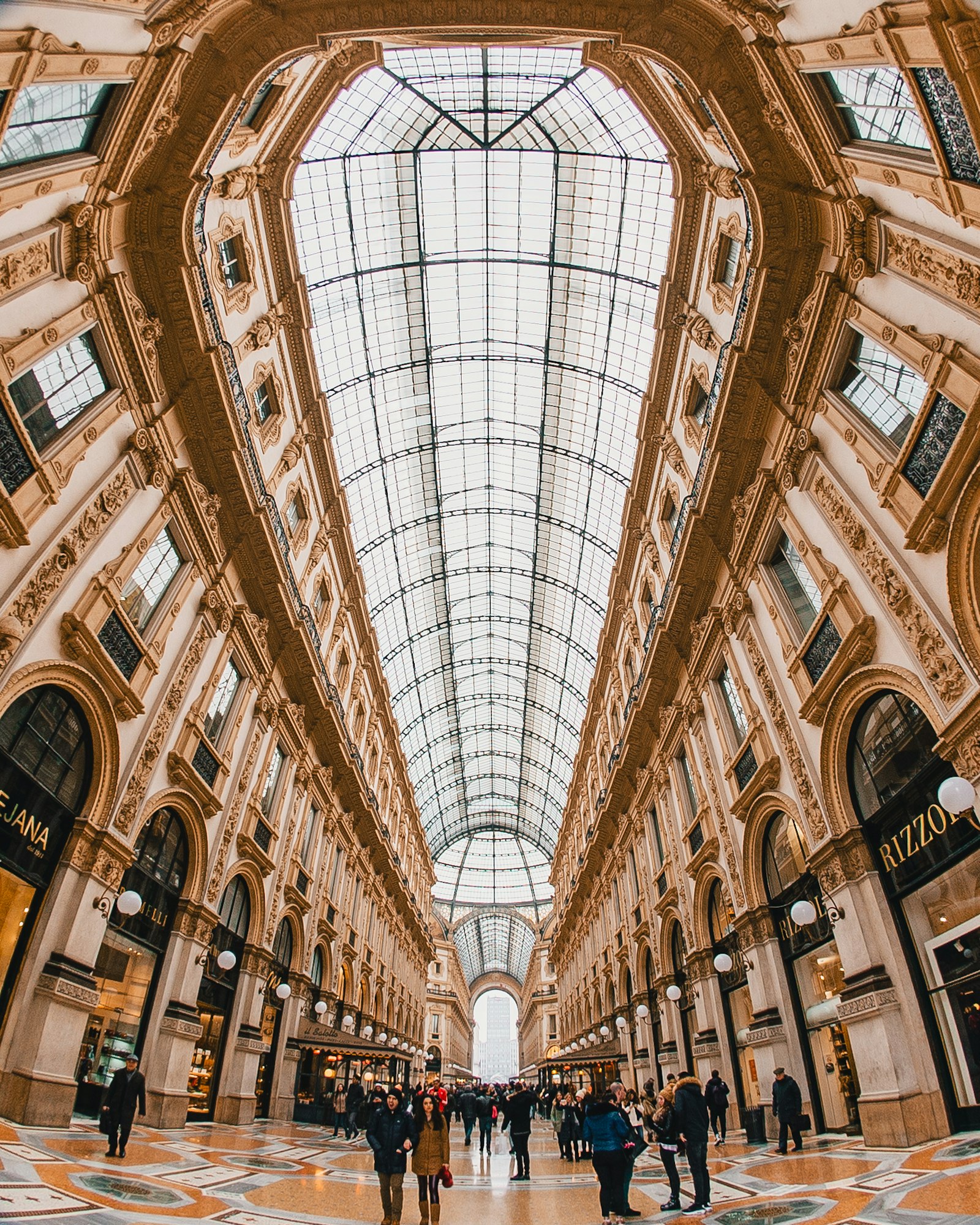
The project will open in Milan’s Galleria Vittorio Emanuele II, the site of the original Fratelli Prada boutique from 1913. Prada describes it as a multi-floor experience including women’s and men’s stores, Marchesi 1824, Osservatorio Fondazione Prada, an exclusive private client salon and an exhibition dedicated to the history and future of the brand.
That is not a store. It is Prada turning its Milanese origin into a destination.
Why the Galleria matters
The Galleria Vittorio Emanuele II is not neutral.
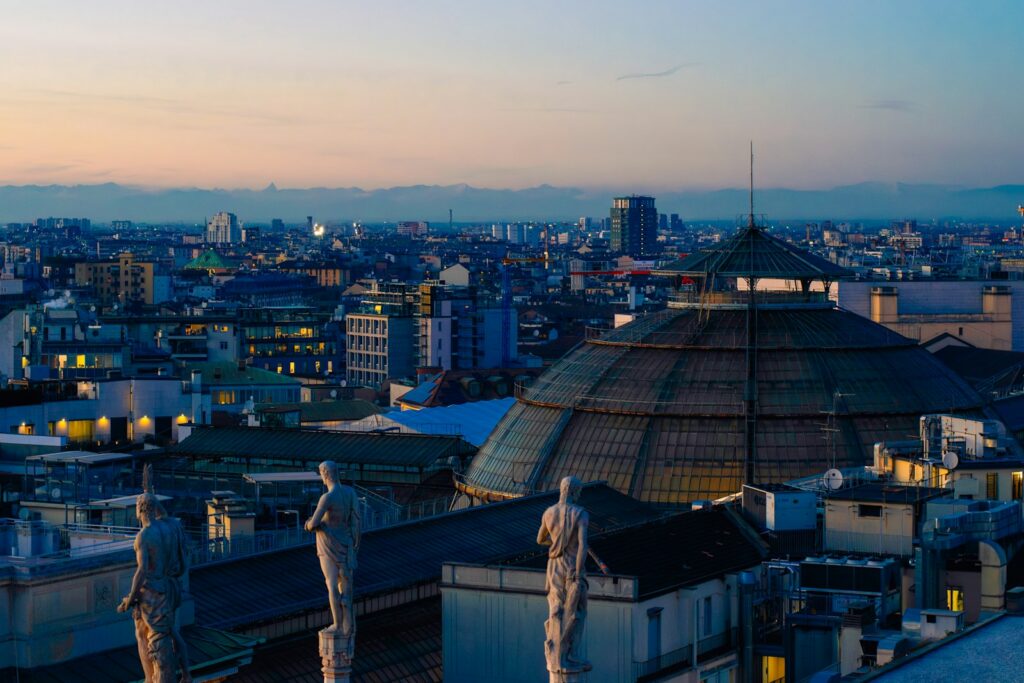
It is Milan’s most symbolic luxury passage: between the Duomo and La Scala, between tourism and culture, between commercial theatre and civic architecture. Vogue has already confirmed that the Galleria will host Vogue World 2026 on 22 September, the first day of Milan Fashion Week, with the theme Where The Future Is Made By The Hand.
That matters because Prada Galleria and Vogue World are pointing in the same direction.
Milan is trying to reframe itself not just as a city of shows, but as a city of craft, history, retail, private clients and cultural production. Paris has spectacle. New York has media. London has youth and fashion schools. Milan’s strongest argument is different: industry, hand, product, interiors, leather, stores, salons, design, food and the private client who does not need to shout.
Prada Galleria gives that argument a physical address.
Retail is becoming hospitality
The most important luxury stores no longer behave like stores. They behave like controlled worlds.
The customer may enter for a bag, but the brand wants the visit to include food, culture, art, private appointments, exhibitions, heritage and a feeling of belonging. Prada Galleria’s mix of boutiques, Marchesi 1824, Fondazione Prada’s Osservatorio and a private client salon is exactly that model. Pambianco described it as a new experiential space that brings together retail, culture, hospitality and exclusive services in the historic Milan location where the brand began in 1913.
Selling an object is no longer enough. The brand must sell the world in which the object makes sense.
For Prada, that world is not a resort beach club or a temporary pop-up. It is Milan itself: severe, cultured, discreet, slightly intellectual, commercial but rarely vulgar.
The private client signal
The private client salon is not a minor detail. It tells us who the space is really for.
Tourists will come. Fashion people will come. Milanese clients will come. But the room that matters most is often the one not every visitor sees. A luxury house now has to create spaces where its best clients can be served away from ordinary retail traffic, especially during Fashion Week, Salone del Mobile, art fairs and private buying trips.
That is why Prada Galleria should be read as infrastructure. It is not only a public destination. It is a machine for private relationships, and private relationships are what fashion week access is really built from.
Why this matters before Fashion Week
Milan Fashion Week can sometimes feel smaller than its importance.
The brands are huge, but the city does not always convert the week into a wider cultural event with the same authority as Paris. Prada Galleria helps because it gives editors, clients, VIPs and buyers a new fixed point. A place that can host, explain, sell and stage Prada’s world without depending entirely on the runway.
This is the future of fashion week. Not only shows. Permanent houses of meaning. If a brand can keep people inside its universe before and after the show, the show becomes one part of a larger system, and the city around it, from the hotels to the salons, becomes the rest of it.
Luxury.it perspective
Prada Galleria matters because it understands that luxury retail is now cultural architecture. A boutique is no longer enough. A restaurant is no longer enough. A private salon is no longer enough. A brand archive is no longer enough. Prada is combining them inside the one Milanese location that gives the move historical legitimacy. This is not just Prada preparing for Fashion Week. It is Milan preparing to argue that its fashion capital is still built by place, craft and private access, not only by runway noise. For Luxury.it, this is exactly the kind of fashion story worth covering. Not clothes alone. The world around the clothes.
Related reading
Vogue World Milano 2026 · Milan Fashion Week SS27 · Best Hotels for Milan Fashion Week · The Luxury.it Fashion desk
Planning Milan around the week rather than the runway? Request access through Luxury.it Concierge.