On September 22, the Galleria Vittorio Emanuele II will not simply host a fashion event. It will become the argument Milan has wanted to make for years: that Italian luxury is still built by hands, not only by marketing departments.
That is why Vogue World Milano matters.
Milan does not need another party during fashion week. It already has enough dinners, private appointments, brand cars, hotel lobbies and late-night rooms where everyone is pretending not to chase access. What Milan needs is a public statement that explains why the city is not the quieter cousin of Paris, or the commercial appendix of the European fashion calendar.
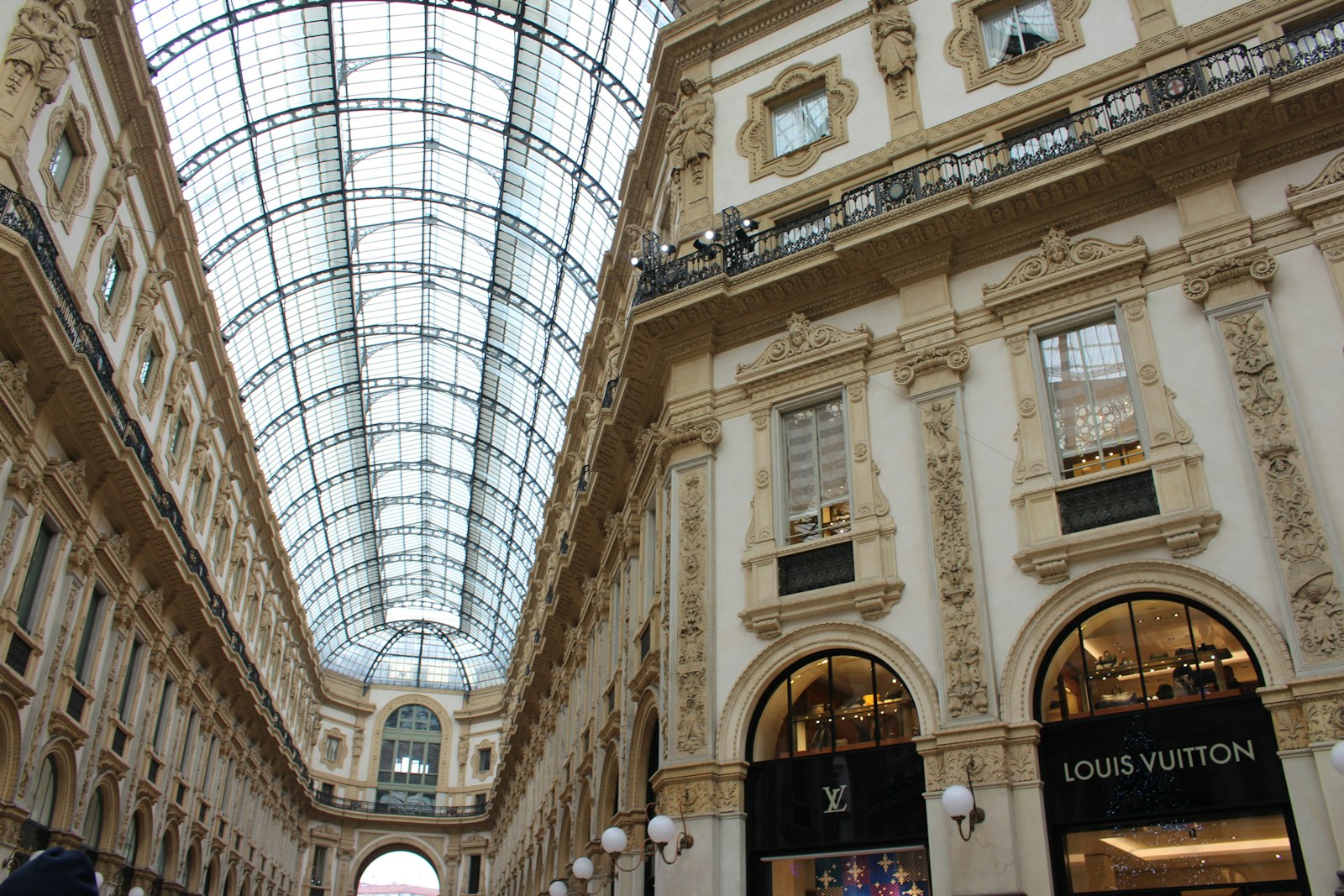
The Galleria is the correct place for that statement. It is not neutral architecture. It is a nineteenth-century passage between Duomo and La Scala, commerce and opera, tourists and Milanese ritual, public movement and luxury storefronts. To stage Vogue World there is to place fashion exactly where Milan has always placed it: between culture and transaction.
The real theme is not spectacle
The temptation will be to read Vogue World Milano as a night of arrivals.
Who wore what. Who sat where. Which model appeared. Which house received the longest camera moment. This will all happen, and it will all be useful to the internet for about twelve hours. But the stronger story is the theme: Italian craftsmanship and the human touch at a moment when luxury is trying to understand what technology should and should not replace.
That theme can become sentimental very quickly. Fashion loves the word craft because it sounds virtuous. But the word means very little unless it is attached to labour, patience, training, risk and taste. Italy’s advantage is not that it talks about craft beautifully. It is that entire districts still know how to cut leather, dye fabric, shape jewellery, fit tailoring, stitch bags, polish shoes and solve product problems before they become campaign language.
The best version of Vogue World Milano will not turn artisans into decoration.
It will make clear that craft is not nostalgia. It is infrastructure.
Why Milan needs the night
Milan’s fashion strength is often misunderstood because it is less theatrical than other capitals.
Paris owns myth. London owns provocation. New York owns speed and celebrity. Milan owns product. That can sound less glamorous until you understand how luxury survives: by making desire repeatable, wearable, sellable, repairable and recognisable at close distance.
That is why a Milan fashion event should not imitate Paris. It should not chase drama for its own sake. It should make the industrial intelligence of Italian fashion feel visible: ateliers, manufacturers, showrooms, family companies, leather goods, private clients, hotels, restaurants, design, furniture and the city’s strange ability to make commerce look cultural.
For Luxury.it, this is the reason to cover Vogue World Milano seriously.
Not as a celebrity event. As a map of influence.
What to watch
The front row will be obvious. The better clues will be elsewhere.
Which Italian houses are placed at the centre of the narrative? How visible are artisans, suppliers and workshops? Does the event treat Milan as a city of making, or only as a backdrop? Are the luxury hotels and private dinners part of the story, or merely the hospitality layer around it? Does the night give young Italian talent any meaningful oxygen, or does it become a parade of established giants?
Those are the questions that matter.
A good luxury publication should not simply describe the event after it happens. It should understand what the event is trying to prove before the first guest enters.
Luxury.it perspective
Vogue World Milano is important because it turns fashion week into a civic statement.
The Galleria is not a random venue. It is Milan’s most elegant argument that commerce can be architecture, that shopping can be ritual, and that luxury becomes more powerful when it belongs to a city rather than floating above it.
If the night works, it will not prove that Milan can host spectacle.
Everyone knew that already.
It will prove that Italian craft still knows how to speak to the world without raising its voice.
Related reading
How to Get Invited to Milan Fashion Week: What Serious Luxury Media Should Understand · Milan Fashion Week SS27: Why Second Chapters Matter
More from the Luxury.it Fashion desk.