Markus Stockle opens Markus at Glockengasse 7 in Zurich on 8 September, with two twelve-course tasting menus at CHF266 each. One is vegetarian, one is not, and they cost the same. Dinner only to begin with, with a lunch programme planned once the first phase settles.
This is his return after Rosi, his previous Zurich restaurant, closed in 2025. Markus drops Rosi’s concentrated neo-Bavarian identity for something more personal: the Bavarian background, the years spent in Japan and in Britain, Swiss producers, and a great deal of fermentation.
Both menus cost the same
Twelve courses, CHF266, Swiss VAT included, drinks on top.
Charging the identical price for the vegetarian menu is a small decision that says a lot. It refuses to treat it as the reduced version, and it commits the kitchen to giving both routes the same product work, the same complexity and the same hours before service. Plenty of restaurants price the vegetarian menu thirty francs lower and quietly tell you what they think of it.
Twelve courses is not twelve full plates. Modern tasting menus count snacks, broths, small preparations and transitions inside the number, and this one almost certainly does; Stockle says the sequence is built to leave guests satisfied and not overfull, which is easy to say in September and only provable in November.
Zurich produce, without a Swiss recipe book
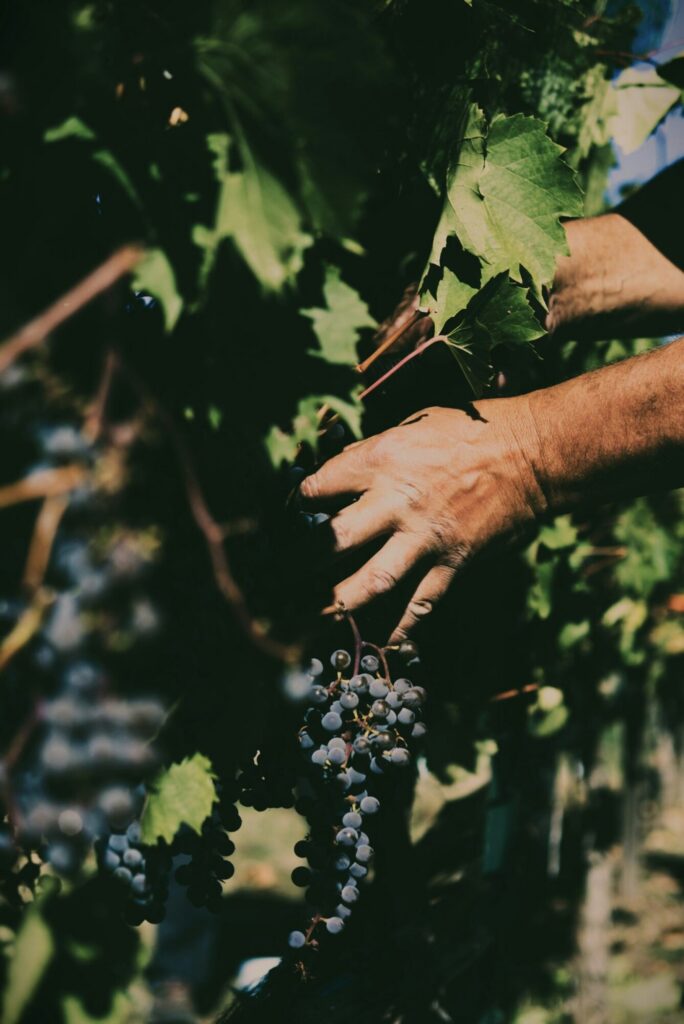
The opening dishes include whitefish from Lake Zurich with house-made doubanjiang, fermented organic beans, spring onions and fresh sansho pepper. Also reported before the opening: Japanese-style fermented vegetables, a clarified quail consomme, and a reinterpreted Alplermagronen.
The whitefish explains the method. The fish is local, the doubanjiang is not, and it does not need to be, because origin here lives in the supplier network and not in the recipe.
The Alplermagronen goes the other way. Stockle keeps the grammar of the dish, short pasta, potato, cheese, onion and apple, and changes everything around it. That is harder to pull off than inventing something new, because every Swiss person in the room arrives with an opinion about how it should taste, usually one formed at an altitude, in childhood.
Whether the menu works comes down to a single question. Do the influences read as one cook’s language, or as a tour of the places he has worked? Fermentation, Japanese precision and Alpine memory can hold together perfectly well. None of the three should become a default treatment applied to whatever comes through the door on Tuesday.
Rosi has been left behind
Rosi made Stockle known in Zurich through a loud and generous reading of Bavarian food, and local coverage now calls Markus his most personal and most open project, with a tasting menu replacing the tavern format entirely.
That freedom costs him a shortcut. Everybody knew what Rosi was doing within ten minutes of sitting down; twelve courses in a room from 1260 have to build that recognition from nothing, over an evening, with a guest who has already paid.
Some of the old signatures may return through lunch. Tsuri reports the daytime offer could carry Stockle classics, though no date, format or price has been announced.
Seven hundred years of dinners
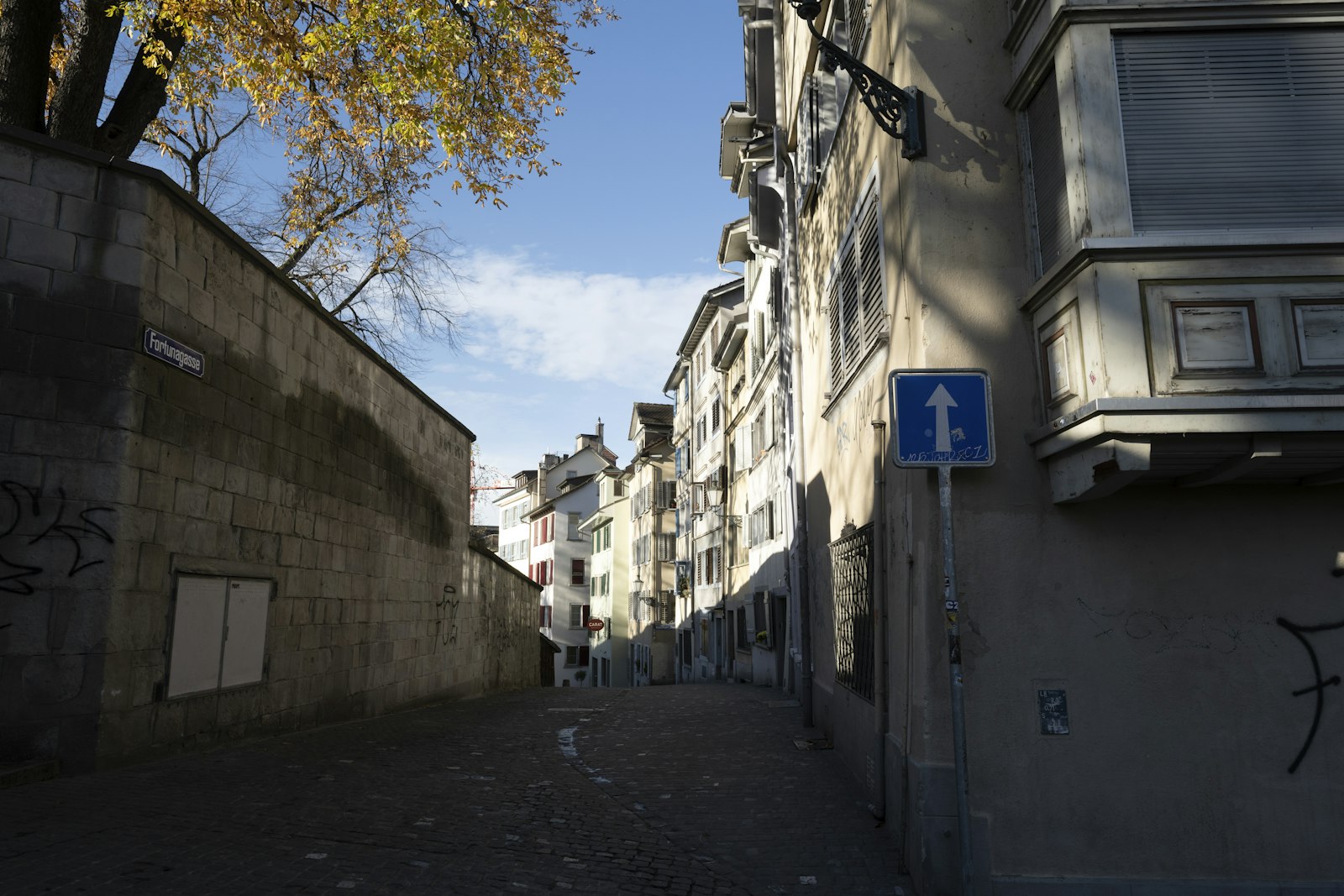
The building at Glockengasse 7 has been taking guests for something like seven centuries. Falstaff dates it to 1260. Until 2021 it held Kaiser’s Reblaube, and before that a great many other things.
Studio Drago, from Milan, has used the contrast deliberately: the ground floor is red-lacquered with black detailing, while the Goethe-Stubli upstairs keeps wood panelling reported as thirteenth century. GaultMillau and Tsuri both say Goethe stayed in the room that now carries his name, which is the building’s local history as Zurich tells it, and not something we have gone into an archive to confirm.
A protected building hands a restaurant an identity nobody can copy. It also hands it stairs, acoustics, a kitchen that fits where it fits, and limits on who can reach which room.
Wheelchair access cannot be promised
Markus states plainly that the protected status means it cannot guarantee wheelchair accessibility, so anyone with mobility requirements should call before reserving rather than assume every room and every toilet can be reached without steps.
There is no dress code. Dogs are accepted only as assistance animals. The relaxed tone is deliberate and welcome, and it does not shorten twelve courses.
Dietary flexibility is limited, and they say so
The terms state that specific dietary requirements generally cannot be accommodated, given how the menus are built. The vegetarian menu is chosen at booking; requests made later, or on the night, may not be possible.
This matters most for allergies, because fermentation, stocks, sauces and multi-stage preparations carry ingredients that never appear in a one-line dish description, and a kitchen working this way has far fewer places to substitute than a restaurant cooking to order.
Anyone needing a seafood-free, dairy-free or gluten-free menu should get written confirmation before booking. And the vegetarian route is vegetarian: it is not vegan, and it is not automatically compatible with anything else.
Stating all of it upfront beats agreeing at the door and improvising at the pass. More restaurants should do it.
The card is held as security
A reservation becomes binding once Markus confirms it, and a valid payment method is required, held as security rather than charged in advance. Changes and cancellations are free until 48 hours before; after that, a cancellation, a smaller party or a no-show can be charged through the stored card.
Tables are held for 30 minutes past the booked time, at the restaurant’s discretion. Anyone running late on a twelve-course evening should call rather than treat that half hour as a second arrival slot, because the kitchen has already started.
The ETH work is not on the menu yet
Stockle has an ongoing relationship with ETH Zurich, looking at questions like how light behaves and refracts inside food, and Falstaff reports that some of it may reach dishes during 2027.
Research of that kind can genuinely help a kitchen understand texture, fermentation and perception. It becomes a problem only when the research turns into the reason a plate deserves attention, at which point the guest is being asked to admire a method instead of eating something good.
The opening menu has a simpler job first. Pleasure, product, and a point of view you can recognise by the fourth course. ETH can arrive in 2027 without needing to explain itself at the table.
Dinner only, for now
Evening service to start, with lunch planned and no date published.
Concentrating on one format through the opening weeks is the right call for a kitchen this size, and it means visitors should not read lunch into the terms and conditions, which are drafted broadly enough to cover a future lunch, private dining and events that do not exist yet.
Anyone building an overnight around it can look at Villa Florhof, which opened in August a few streets away. Two different reasons to be in the old town, and no connection between them beyond the postcode.
What to confirm when booking
- Menu: vegetarian or not, chosen at the time of booking.
- Allergies: written acceptance of anything essential.
- Room: ground floor or the historic space upstairs.
- Access: the route to the assigned table and to the facilities.
- Duration: how long twelve courses take on a normal night.
- Pairings: wine and non-alcoholic options, and their prices.
- Cancellation: the exact charge inside 48 hours.
- Lunch: not running yet, whatever the terms imply.
Luxury.it perspective
CHF266 and twelve courses make Markus a serious opening. Walking away from Rosi makes it an interesting one.
Stockle is putting Zurich producers, Alpine memory, Japanese technique and years of fermentation work inside a room that has been feeding people since the thirteenth century, which is a building perfectly capable of overshadowing whatever a new restaurant puts on a plate. Red lacquer on the ground floor is one answer to that problem. The food is the other.
Two things the opening weeks will settle. Whether the twelve courses speak with one voice, and whether a relaxed tone survives a format this controlled in a dining room that formal.
Related guides
Continue through the Restaurants desk, the latest European arrivals in Luxury Openings and the report on Villa Florhof in Zurich.
For Zurich hotels, restaurant reservations and private transfers, contact Luxury.it Concierge.