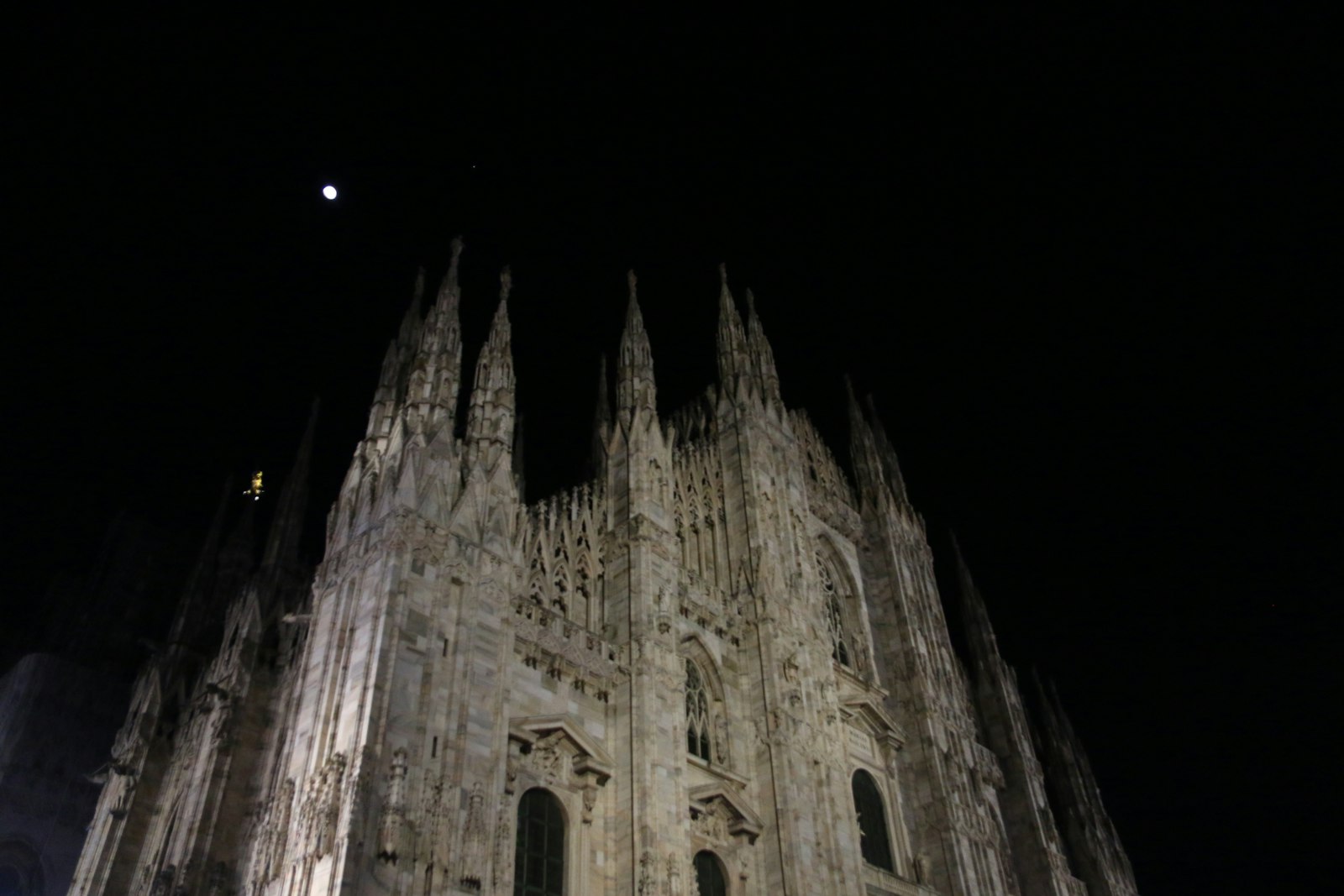
Residenza del Cardinale opens in Milan on 12 September, a hundred metres from the Pinacoteca Ambrosiana.
Twenty-eight rooms and suites, a Melia Collection address, and a restaurant called Nocciola that looks north-west towards Piedmont. The date is on the hotel’s own channels.
It was originally announced for April. Five months late is unremarkable for a restoration of this kind, and it is worth knowing only because it tells you the building set the pace rather than the calendar.
Twenty million euro, and a family that owns the building
The address is Via Cardinal Federico 1, in the tangle of streets over what was the Roman forum. The Fumagalli family owns the palazzo and spent around 20 million euro restoring it. Melia runs the hotel.
That split matters more than it sounds. An owner who has put twenty million into a building they intend to keep behaves differently from a developer looking for an exit, and the difference shows up in the parts of a hotel nobody photographs: the plant, the soundproofing, the depth of the joinery, whether the lift was replaced or patched. None of that appears in a press release and all of it decides how the place feels in year three.
Studio Simonetti did the interior architecture, the furnishings and the artistic direction, describing a project set inside the historic fabric of that quarter. The approach mixes classical reference with contemporary design instead of rebuilding a period interior wholesale.
The brief includes a restaurant and a bar opening onto an internal cloister. On a site this dense, that courtyard is the whole trick: it is where a hotel in the middle of Milan gets its air.
Read the room size, not the room name
The published categories contain a warning against assuming the names run in order of size.
A Superior is 31 square metres. A Deluxe is 30.
Higher up, the Raffaello Grand Suite has 51, and the Cardinal Penthouse with Terraces has 61 across two levels.
Those are different propositions, not different prices for the same thing. A split level suits a couple who like the bedroom separated from everything else. Anyone who would rather not use stairs at midnight should say so when booking, because the category name will not warn them.
The largest is the Da Vinci Penthouse with Balcony, at 91 square metres. Its own description places it on the first floor.
Penthouse here is a category name and not a position in the building. If a rooftop matters to you, ask which floor before you pay for the word.
Nocciola, and a Piedmontese hand
Nocciola is presented as a contemporary reading of north-western Italian cooking, with Piedmont as the reference point. The design language around it is natural light, warm tones, a connection to art and to the courtyard.
The name is the signal. Nocciola is the hazelnut, and the hazelnut is Piedmont’s: the Tonda Gentile of the Langhe, the thing that goes into gianduia and into every pastry between Alba and Turin. A Milanese hotel restaurant that names itself after it has told you where its loyalties lie before anyone brings a menu.
When the project was announced last December, Carlo Zarri was named as the chef behind the fine dining, with an indoor room and an outdoor space in the private cloister. Zarri’s own career runs through Piedmont, which lines up with everything the restaurant says about itself.
What has not been published is the food. No menu, no prices, no tasting format.
So there is nothing here to recommend yet. The next announcement worth reading is the one with dishes in it.
The question underneath is whether Nocciola becomes a restaurant Milan books on its own account, or stays a very good amenity for people already upstairs. Twenty-eight rooms cannot fill a dining room. Somebody has to want to walk in off Via Cardinal Federico.
The Ambrosiana is the reason for the address
Next door is the Pinacoteca Ambrosiana, and it is not a minor collection.
Caravaggio’s Basket of Fruit is there. So is Leonardo’s Portrait of a Musician, and Raphael’s full-size preparatory cartoon for The School of Athens, which is nearly eight metres wide and is worth the visit on its own.
That is a morning, properly spent.
And it is the kind of neighbour that changes what a hotel is for. You are not staying near a monument you will photograph once. You are staying next to a room you will want to walk back into on the second day, which is a rarer thing to be able to do in a city where most of the great collections require a tram and a booking.
One boundary to keep clear. Museum admission is a separate ticket, and neither the hotel’s proximity nor the suites named after Leonardo and Raphael create any privileged access. If you want a private opening or a curator, that is a conversation with the Ambrosiana, arranged well in advance.
Where it sits in the city
This corner of Milan is quieter than its postcode suggests.
The Duomo is a seven-minute walk. Cordusio metro is closer still. And the streets in between empty out completely once the offices shut, which is the part nobody mentions in a location description.
That is either the appeal or the drawback, depending on the trip. A hotel here is well placed for museums, for the Quadrilatero and for a working week in the centre. It is less obviously placed for the parts of Milan people travel for in the evening, which are mostly further out.
Twenty-eight keys also sets expectations. There will be no crowd in the lobby and no second restaurant to fall back on, and the staff will know your name by the second morning. Whether that reads as intimacy or as limitation depends entirely on what you wanted.
What to confirm before the first nights
- Floor and layout: particularly for the penthouse categories, which are not where the name suggests.
- Nocciola: whether it is open from day one, and whether residents get priority.
- The cloister: which rooms face it, and whether it is used for service in the evening.
- Opening risk: what happens if part of the hotel is not ready on 12 September.
- Rates: what is included, and the cancellation terms for an opening month.
Luxury.it perspective
The thing that makes this one interesting is not the collection it has joined. It is the twenty million euro and the family that spent it on a building they already owned.
Twenty-eight keys beside the Ambrosiana, with a courtyard, a Piedmontese kitchen and a restoration that took five months longer than planned, is a specific idea rather than a format dropped into a city. Milan has plenty of the second kind.
Book it for the neighbourhood and the room, and treat the restaurant as a question still open. In a month or two there will be a menu to judge it on.
Related guides
Continue with our Milan hotel guide, the Milan restaurant edit and the latest arrivals in Luxury Openings.
For Milan rooms, restaurant reservations and museum planning, contact Luxury.it Concierge.