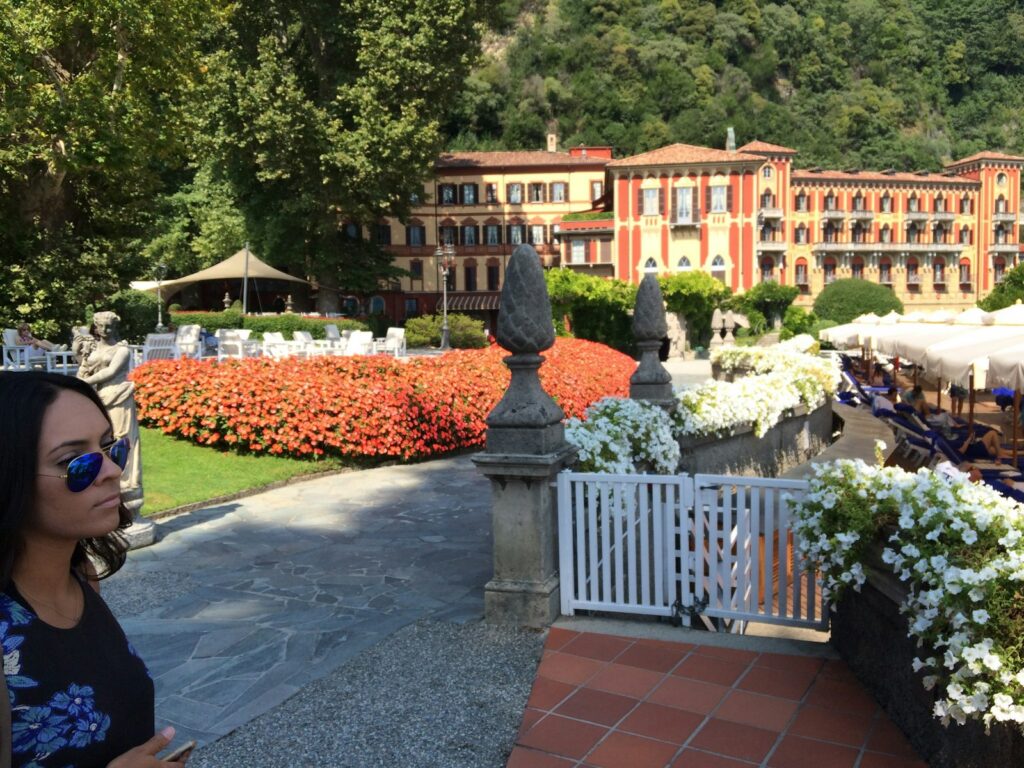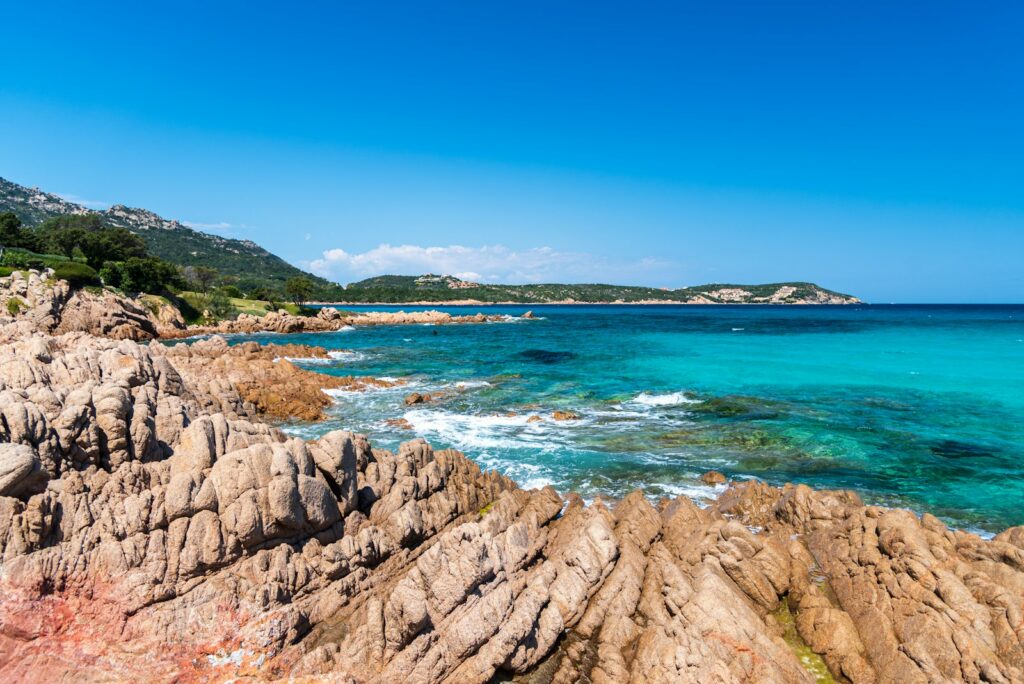
Italian summer has become too coastal.
That is not a complaint. The coast deserves its power. Capri, Sardinia, Portofino, Forte dei Marmi, the Amalfi Coast, Sicily, the Adriatic: the country’s summer mythology is built on light, water and the theatrical intelligence of the sea.
But the richest version of Italy has never been only coastal.
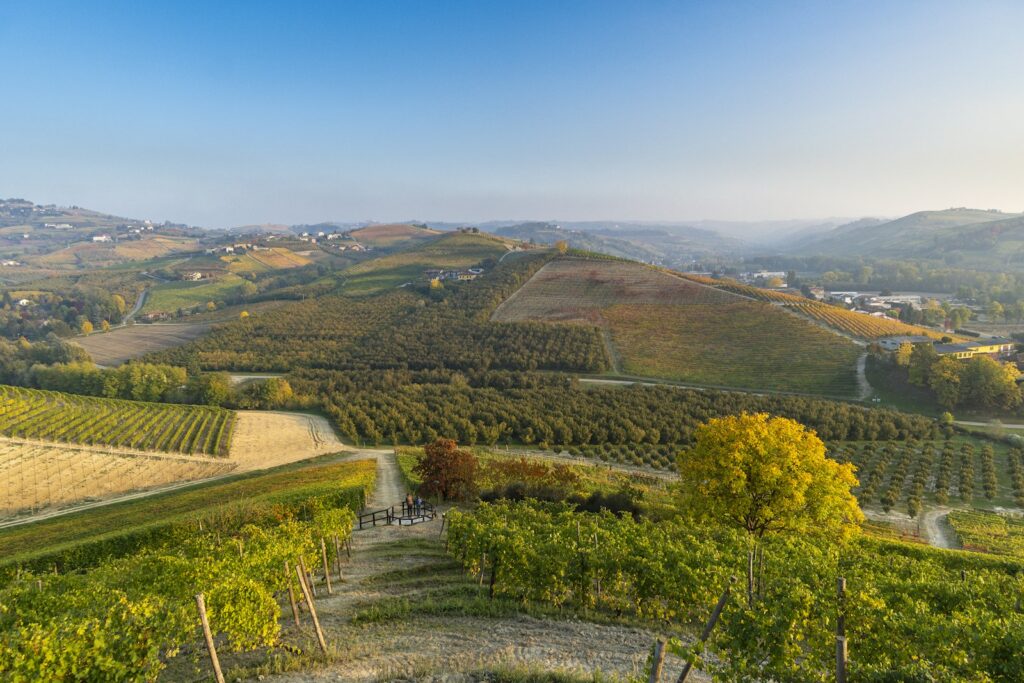
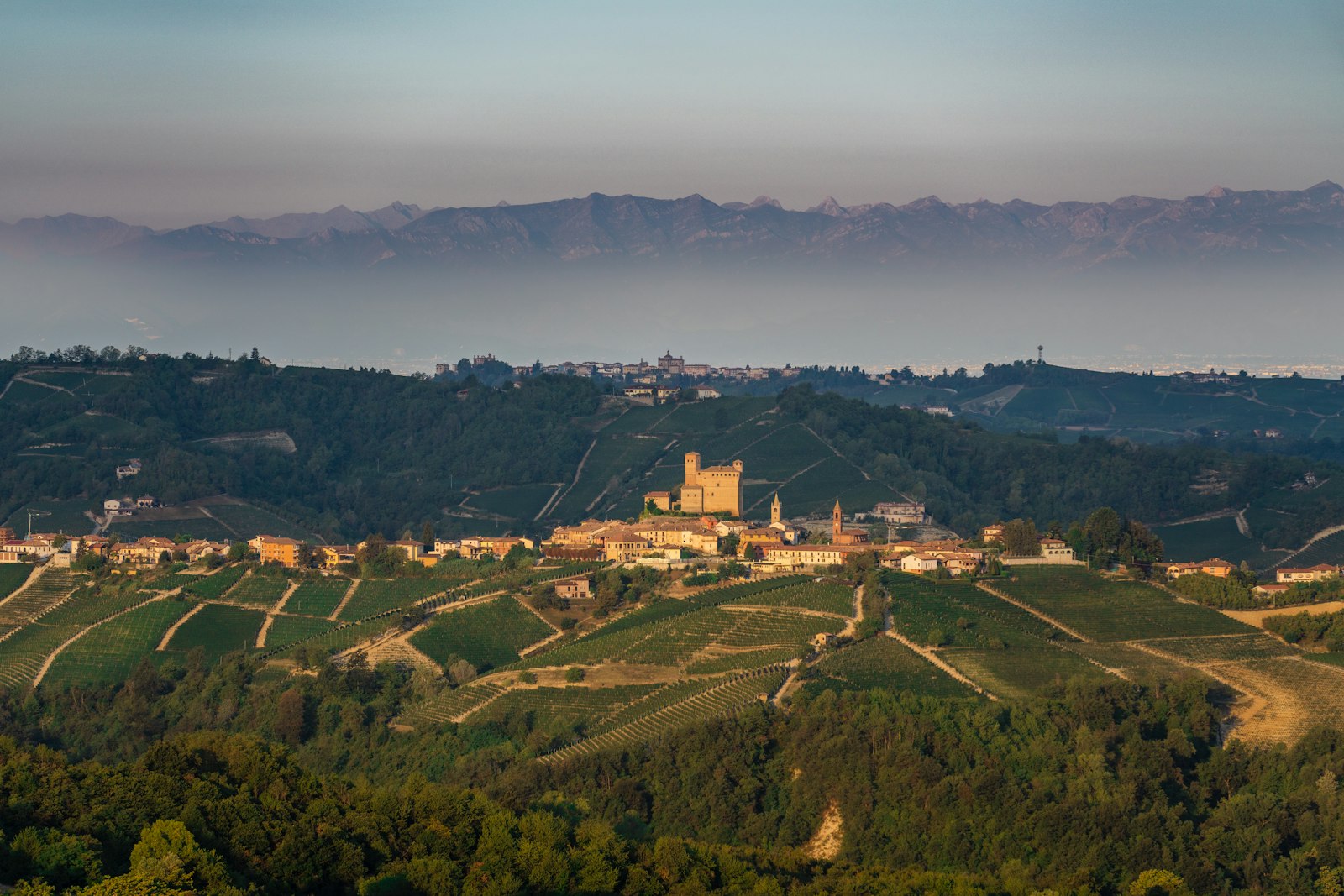
It is also hills. Wine. Stone. Monasteries. Truffles. Villages that do not need to perform. Roads that slow down the guest without making a marketing speech about slowness. The Langhe belong to that Italy.
Borgo Monchiero Heritage by Atmosphere opens on 16 July 2026, in Piedmont’s Langhe region, bringing new life to a restored 18th-century monastery and marking Atmosphere Core‘s entry into the European market.
That makes the opening more interesting than another hotel with a good view. It is a sign that international luxury is beginning to understand the Italian interior again.
Why the Langhe matter now
The Langhe do not need to be discovered.
Anyone who understands Italian wine already knows the names: Barolo, Barbaresco, La Morra, Monforte d’Alba, Alba. Anyone who understands autumn knows the white truffle. Anyone who understands Piedmont knows that the region has a kind of confidence that rarely needs to raise its voice.
But the Langhe have often been treated by international travellers as a food-and-wine extension, not as a full luxury stay. That is changing.
A property like Borgo Monchiero gives the area a stronger hospitality language. The hotel’s own website places it among the UNESCO-listed vineyard hills of the Langhe, minutes from Monforte d’Alba, Barolo, La Morra and Alba, with the region’s wines, villages and traditions positioned as part of the stay rather than a side excursion.
This matters because the best luxury travellers increasingly want fewer obvious weeks. They have done the coast. They have done the palace hotel. They have done the villa. The next question is more difficult: where can Italy still feel culturally dense without becoming crowded by the same summer crowd? The Langhe answer that question better than most places.
A monastery is not a theme
The word “monastery” is dangerous in hospitality.
Used badly, it becomes decoration. A few arches, some candles, a neutral palette, a phrase about contemplation. The result can feel like a wellness brand borrowing religion for atmosphere. Borgo Monchiero has to avoid that.
Its stronger argument is not that it occupies an old monastic complex. It is that the property sits inside a landscape already shaped by patience: vineyards, stone, spiritual history, farming, painting, food, wine and seasons that do not care about your itinerary.
The official Borgo Monchiero site describes the estate around its ancient monastery and Santuario della Madonna del Rosario, with a narrative that connects monastic memory, local artists, vineyard horizons and the quiet light of the Langhe. That is the correct direction.
A hotel in a former monastery should not feel dramatic. It should feel edited.
Why this is not a replacement for Tuscany
The lazy comparison is Tuscany.
Foreign travellers understand Tuscany quickly. They understand Chianti, Siena, Val d’Orcia, villas, cypress trees, Brunello. Piedmont is less immediately legible, and that is precisely its advantage.
The Langhe are not trying to be more romantic than Tuscany. They are more reserved. The food is richer. The wine culture is more serious. The villages feel less like scenery and more like working places that happen to be beautiful.
Borgo Monchiero can succeed if it respects that difference. A guest should not arrive expecting a decorative Italian countryside fantasy. They should arrive expecting appetite, wine, silence, hill light, and a certain northern discipline that makes Piedmont one of Italy’s most adult pleasures.
Who these hills are for
Borgo Monchiero is not for the traveller who needs the sea every day.
It is for someone who has already learned that Italy is not improved by doing more of it. Couples who want wine country without the clichés. Americans who have done Tuscany and want a more serious next chapter. Families travelling with adults, not toddlers. Founders or executives who need three days where dinner matters more than the pool scene.
It also works for a smarter itinerary: Milan, Langhe, Ligurian coast. Or Turin, Langhe, Lake Como. Or a pure Piedmont week built around wine, food, art and rest.
The point is not to add the Langhe to a crowded Italy trip. The point is to remove something less necessary and let the Langhe have space.
Luxury.it perspective
Borgo Monchiero matters because it resists the loudest version of Italian summer. Italy does not have to keep proving that luxury means saltwater, beach clubs and linen at sunset. The country has deeper registers than that, and the Langhe are one of them. A restored monastery in Piedmont will not be for everyone. That is why it may be worth taking seriously.
Related guides
Luxury Hotels on Lake Como · Michelin Star Restaurants in Italy · Luxury Openings · Destinations
Considering the Langhe for a slower Italian chapter? Request a considered itinerary through Luxury.it Concierge.