Not every luxury development is automatically vulgar. Not every objection to one is automatically wisdom. Puglia is about to find out which is which.
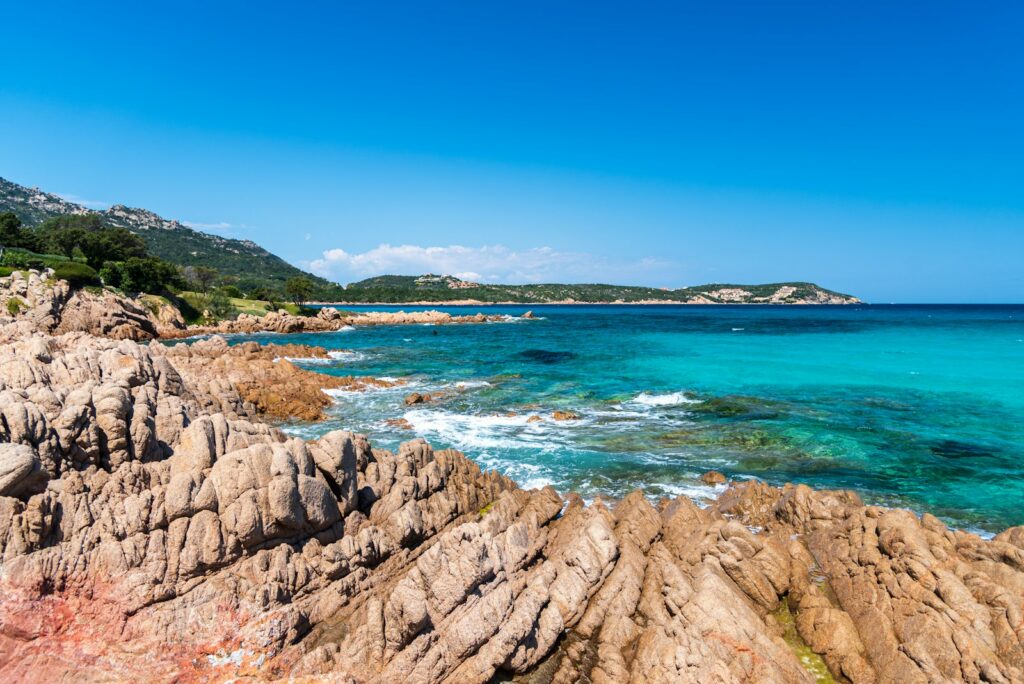
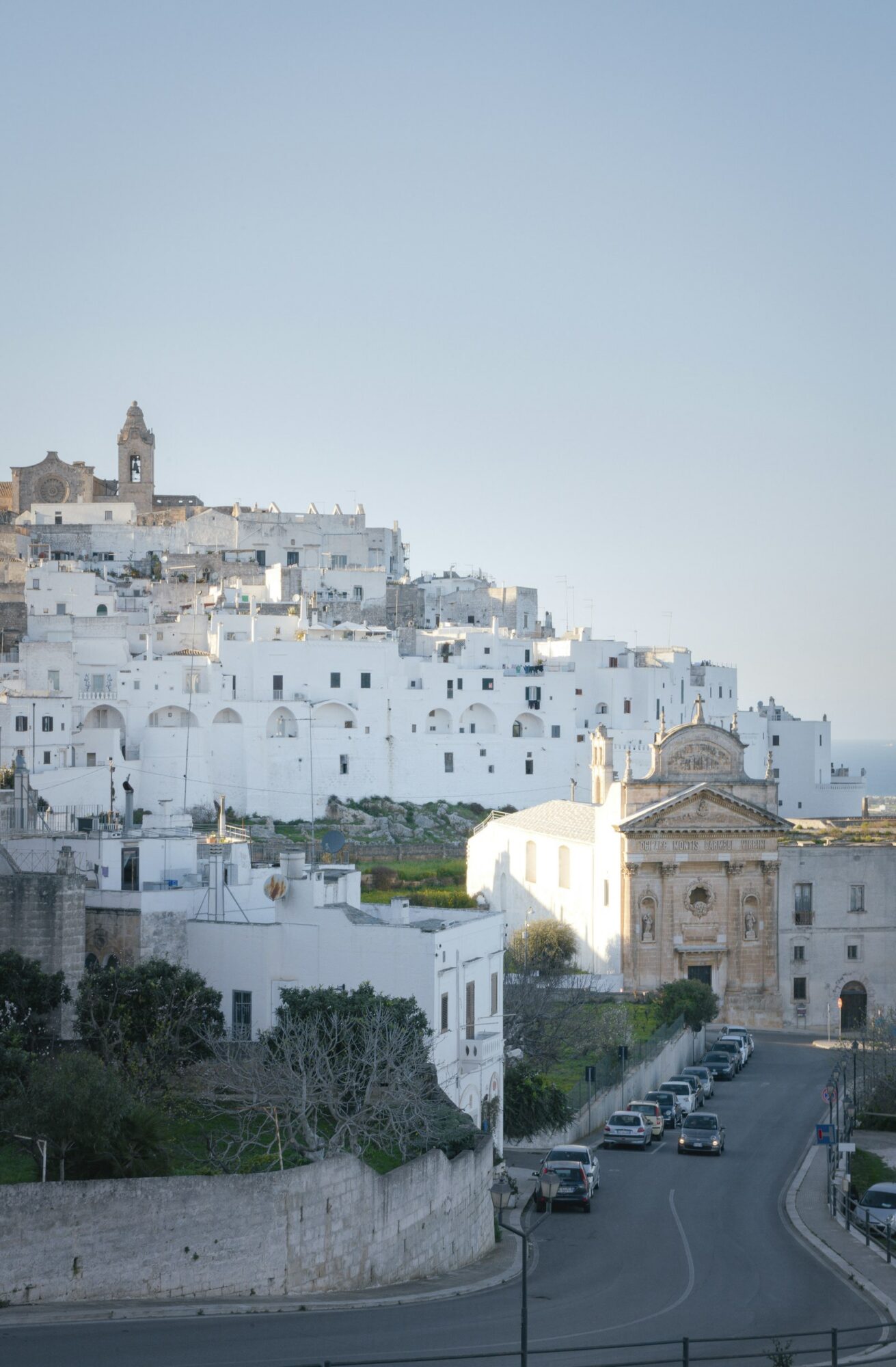
The case is Costa Merlata, a stretch of low rocky coastline a few kilometres from Ostuni, where a resort project linked to Four Seasons has been moving through the approval machinery. The Times reports a development of roughly 150 rooms and suites, plus villas, on land acquired by Omnam Group in 2021, with the site benefiting from Italy’s ZES framework for southern investment. No final construction decision has been announced, and the operator has not confirmed an opening horizon. What exists, concretely, is a proposal, a set of permits in motion, and a region arguing with itself.
That argument is the story, because it is really about what kind of luxury economy Puglia wants to be.
Puglia is not empty land
The developer’s map shows a coastline. The residents’ map shows a working landscape: olive groves that survived xylella, dry-stone walls older than most European borders, coastal macchia that took centuries to establish, and a dune system that does not regrow on a construction schedule.
This is the first honest complication. Puglia’s appeal to the luxury market is precisely the thing large-scale development consumes. The region did not become desirable through resorts. It became desirable through restraint: masserie restored rather than replaced, towns that kept their evenings, a coast that still reads as geography rather than product. Every hectare of that restraint has a market value now, which is exactly why it is under pressure.
The Four Seasons problem
The brand is not the villain here, and pretending otherwise is lazy. Four Seasons operates some of the most carefully run properties in Europe, and an operator of that discipline is, in principle, better news for a fragile coast than a cheaper flag with looser standards.
The problem is scale and precedent. A hundred and fifty keys plus villas is not a masseria. It is infrastructure: roads, water, staff housing, seasonal traffic, and a permanent change in how that piece of coast is used. And once one project of that scale exists, the next one negotiates against it. That is how coastlines change: not through a single decision, but through the precedent a single decision creates. Puglia should not become another Costa Smeralda. Not because the Costa Smeralda failed, but because it succeeded on terms that belong to its own coast and its own century. It should not become another Algarve either. The region’s advantage is that it still has a choice.
In 2026, luxury is not only about what the guest sees. It is about what the guest can believe.
Why the Bill Gates resort label is lazy
Much of the coverage has attached a famous name to the project because Four Seasons is majority-owned by Cascade Investment, the fund associated with Bill Gates. That framing sells headlines and clarifies nothing. Cascade is an investor in the operating company, not the author of a building on the Adriatic; the project’s real authors are the developer, the architects, the regional authorities and the approval process itself.
The lazy label matters because it turns a land-use question into a celebrity question, and celebrity questions produce noise instead of scrutiny. The useful questions are duller and harder. Was the land handled well? Is the scale right for the site? What happens to water and access? Who audits the environmental commitments after the ribbon is cut? Does the economic benefit stay in the region or pass through it? Those are the questions that decide whether Costa Merlata becomes a case study in discipline or in regret.
Puglia’s luxury future cannot be copy-paste
There is a version of this project that works: smaller than proposed, shaped to the site rather than imposed on it, audited in public, and priced so that its presence funds the protection of the coast around it. There is also a version that works only in the renderings. The difference will not be decided by the brand on the gate. It will be decided by whether the region treats its landscape as capital to invest or inventory to sell.
The rest of the Mediterranean has already run this experiment at every scale, and the results are legible from any boat: the coasts that said yes to everything, the coasts that said no to everything and stagnated, and the few that negotiated well and kept both their economy and their character. Puglia arrives late to this decision, which is its one advantage. It can read the results before writing its own.
Luxury.it perspective
We cover luxury openings for a living, and the honest position is uncomfortable for everyone: Puglia needs serious hospitality investment, and Puglia’s value is destroyed by careless hospitality investment. Both statements are true at once. The test of Costa Merlata is not whether a Four Seasons rises near Ostuni. It is whether the process that decides it is rigorous enough that travellers, residents and the operator itself can believe in the result. A region that manages that has nothing to fear from luxury. A region that does not will discover that the landscape was the luxury, and it was spent.
Related guides
Tivoli Palazzo 1880 Lecce · Managed Access in Europe · Destinations · The Costa Smeralda Table
Watching Puglia’s coast this season, from masserie to the new proposals? Request a considered view through Luxury.it Concierge.